Nicotine pouches like Zyn are about to get a lot more expensive in Seattle, and the sticker shock could be immediate. Beginning January 1, 2026, Washington state will apply its Other Tobacco Products excise tax to all nicotine products, including tobacco-free pouches, effectively imposing a roughly 95 percent tax on their wholesale price.
For everyday consumers, that means even a single can will feel the impact. A can of Zyn that currently sells in Seattle for about $5 to $7 could jump into the $9 to $13 range once the new excise tax is applied, depending on the retailer and distributor markup. Store owners say the increase will be noticeable overnight, not gradual.
Lawmakers behind the policy say the goal is to close a loophole. Nicotine pouches, many of which use synthetic or highly processed nicotine, had avoided the same tax treatment as cigarettes and other tobacco products. Public health advocates argue the lower price point helped drive rapid growth and made the products more accessible to younger users.
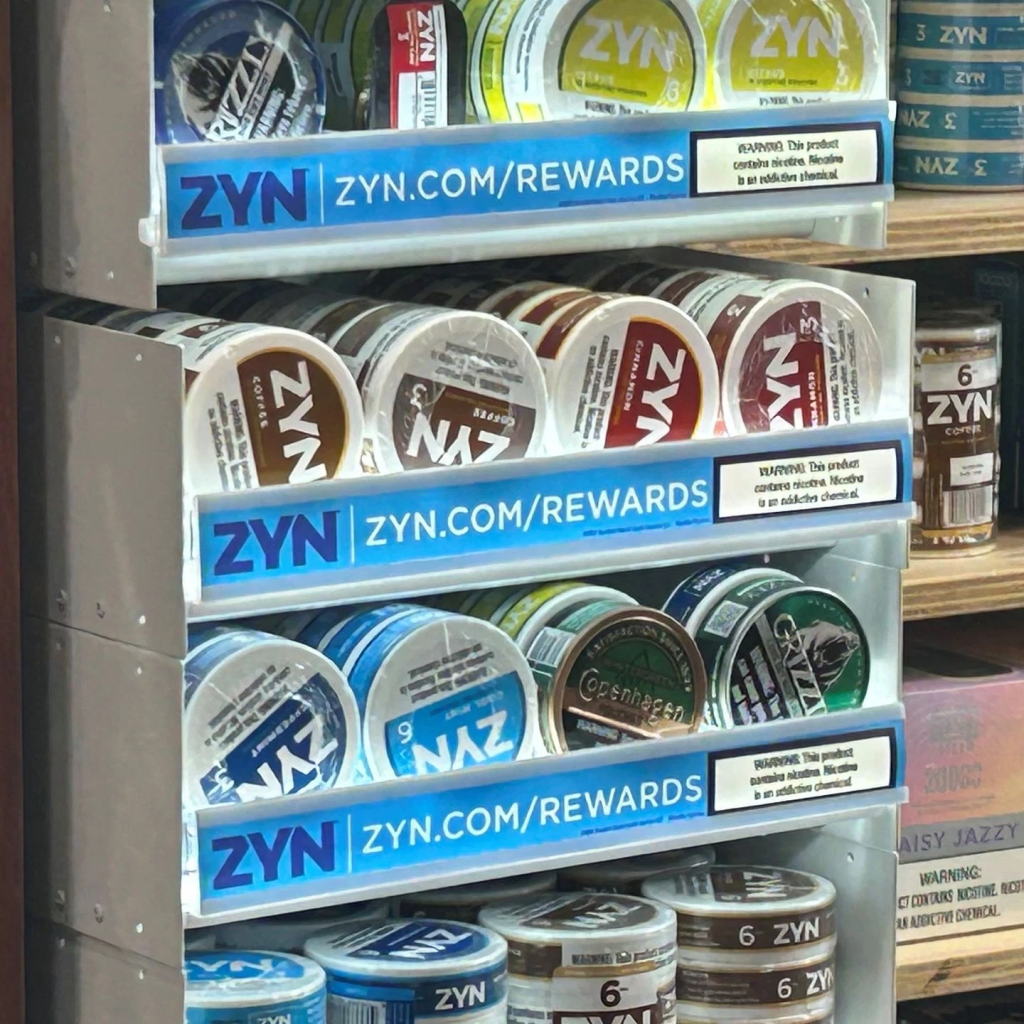
Retailers and industry groups strongly disagree with the approach. Convenience store owners warn that sharply higher prices could push customers to buy across state lines or turn to unregulated sellers. In Seattle, where many small stores rely on repeat daily traffic, owners worry the loss will extend beyond nicotine products to snacks, drinks, and fuel purchases that often come with them.
Washington’s move is among the most aggressive in the nation and stands out even within the Pacific Northwest. If neighboring states maintain lower tax rates, Seattle could quickly become one of the most expensive places in the country to buy nicotine pouches like Zyn.
As the state finalizes implementation and businesses prepare for compliance, the debate remains unresolved. Supporters see the tax as a necessary public health intervention. Critics see a policy that may carry unintended consequences. What is clear is that for Seattle’s nicotine pouch users, the cost of a single can is about to rise sharply.